
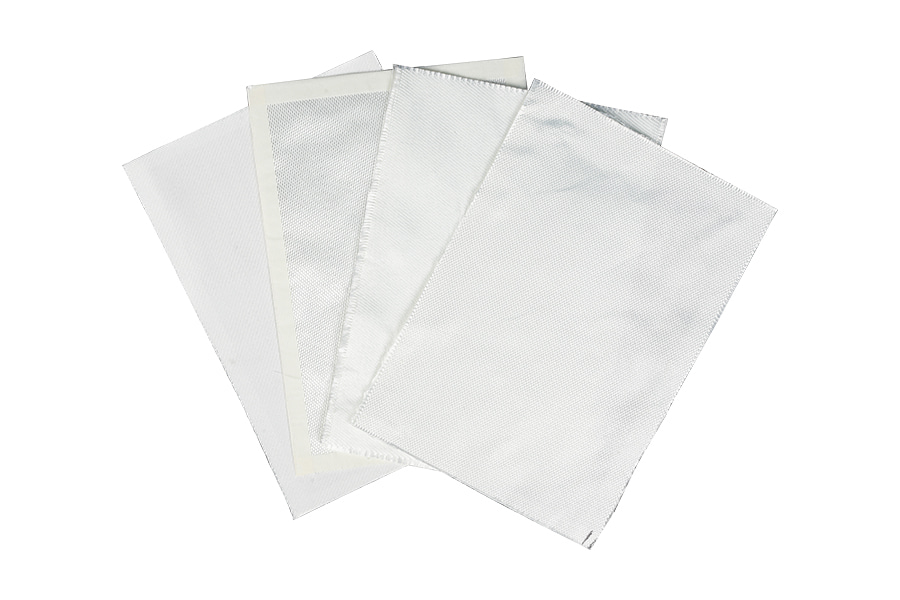
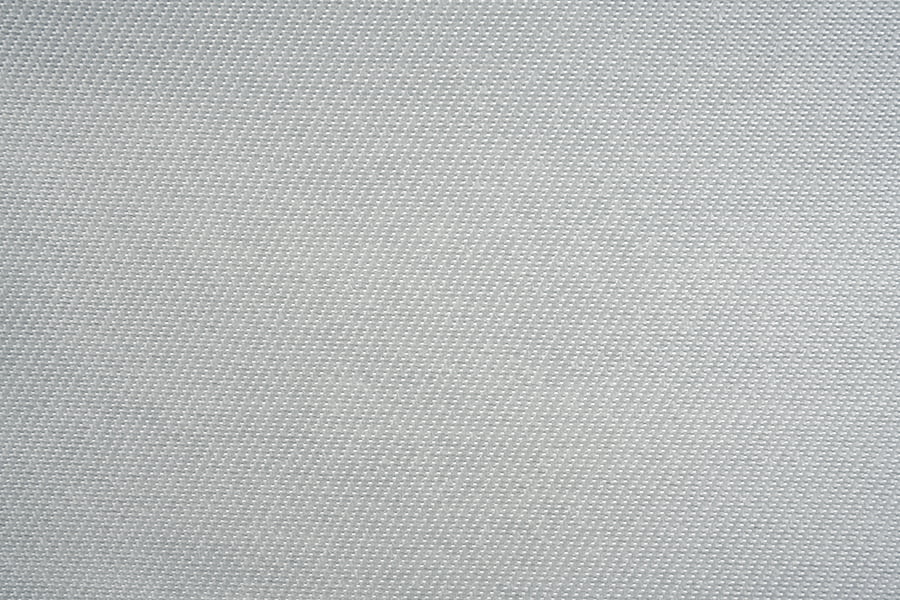
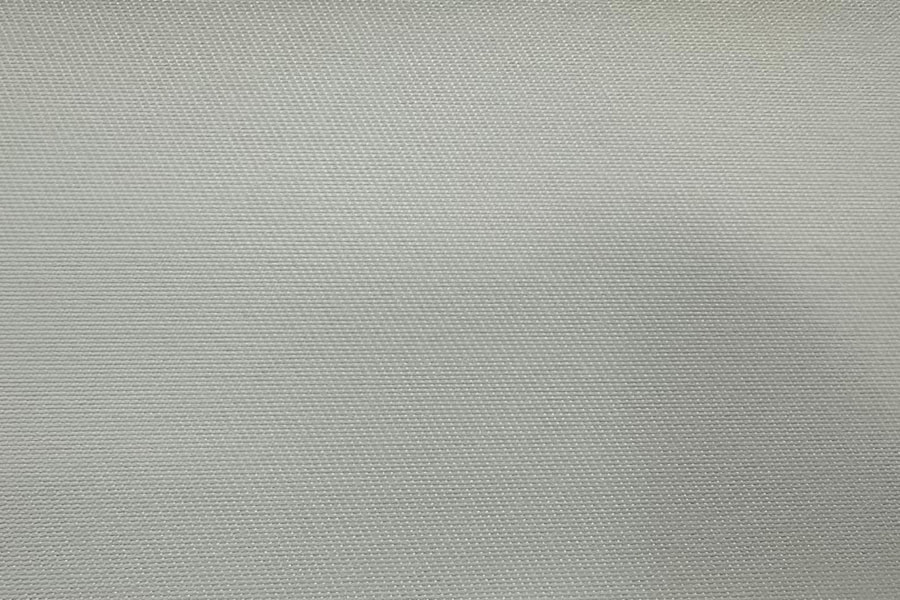
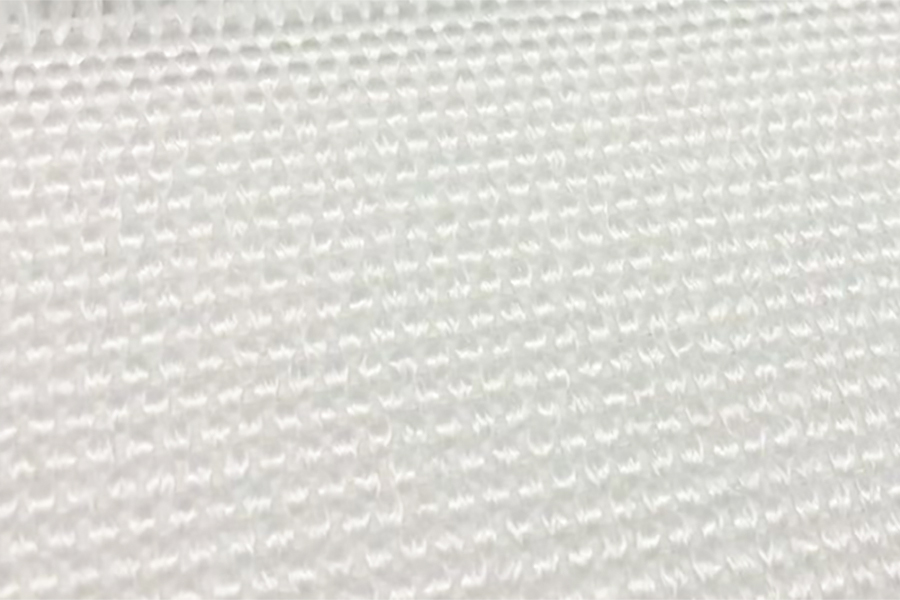
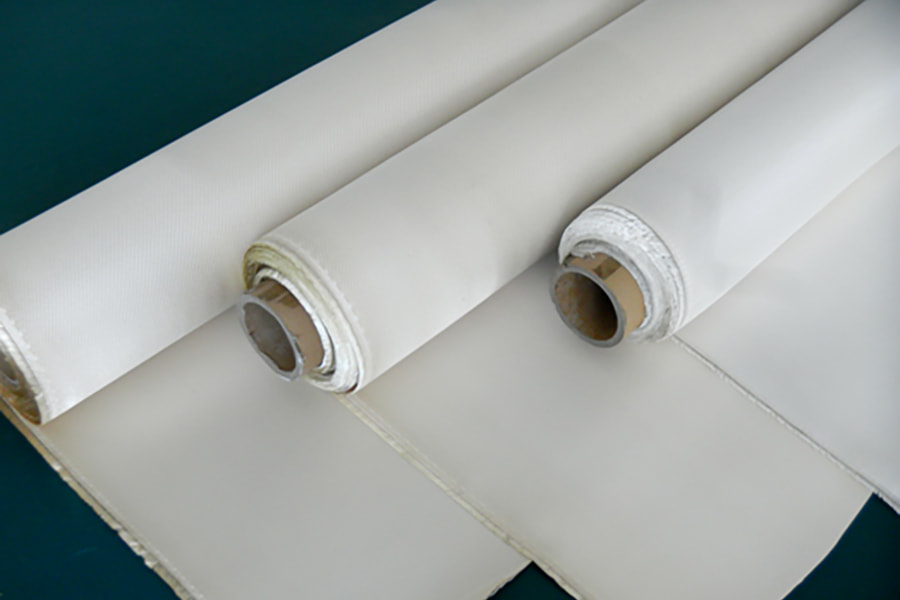
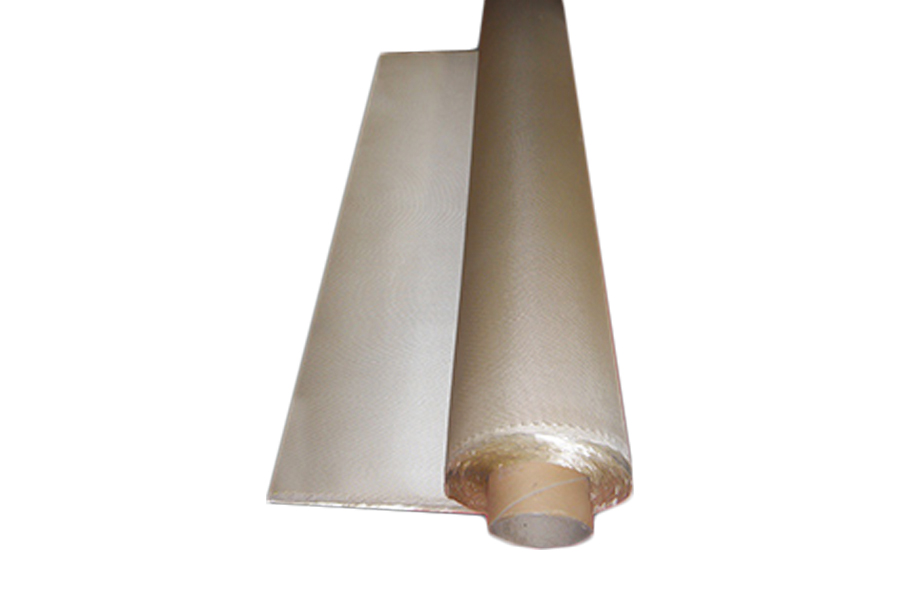
fiberglass cloth roll for boat building

Marine-Grade Composite Fabric

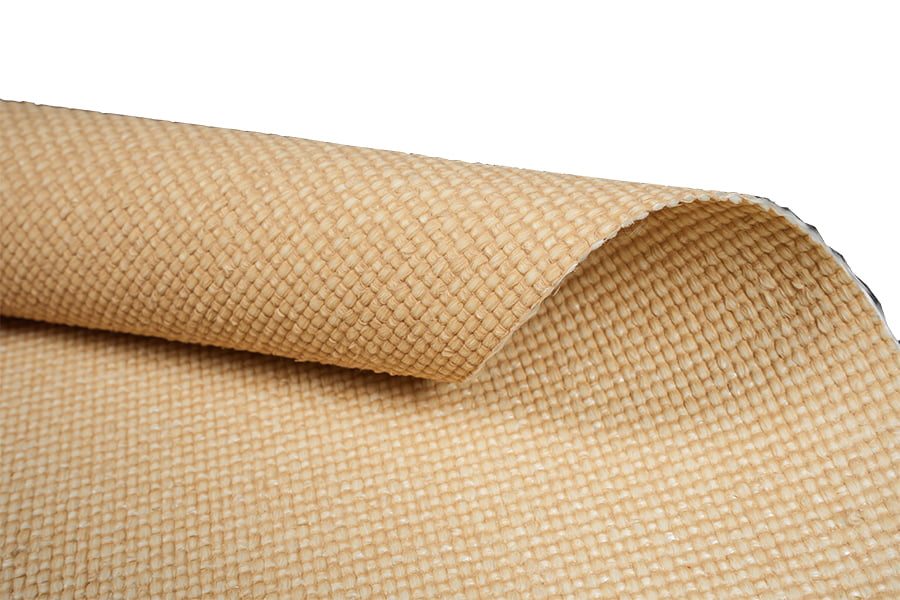
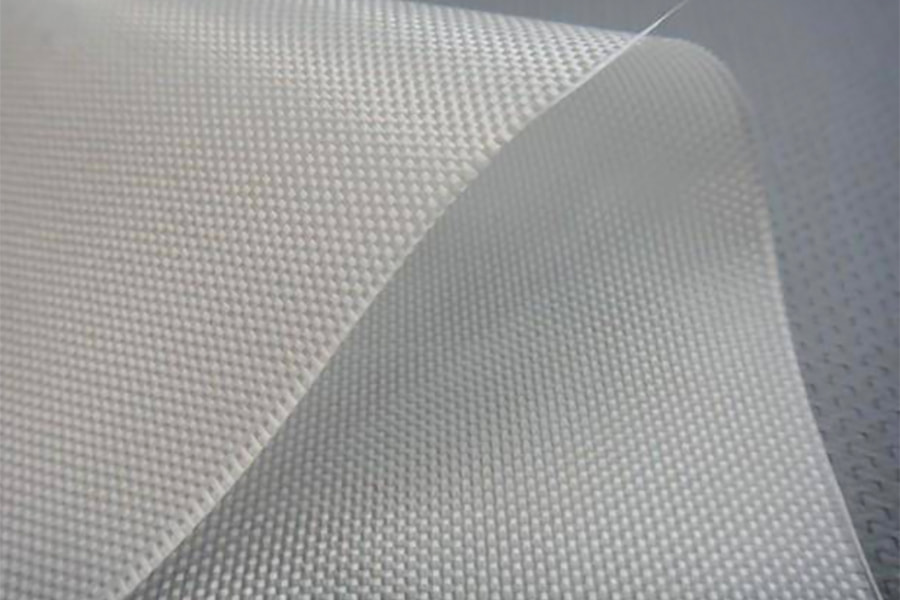
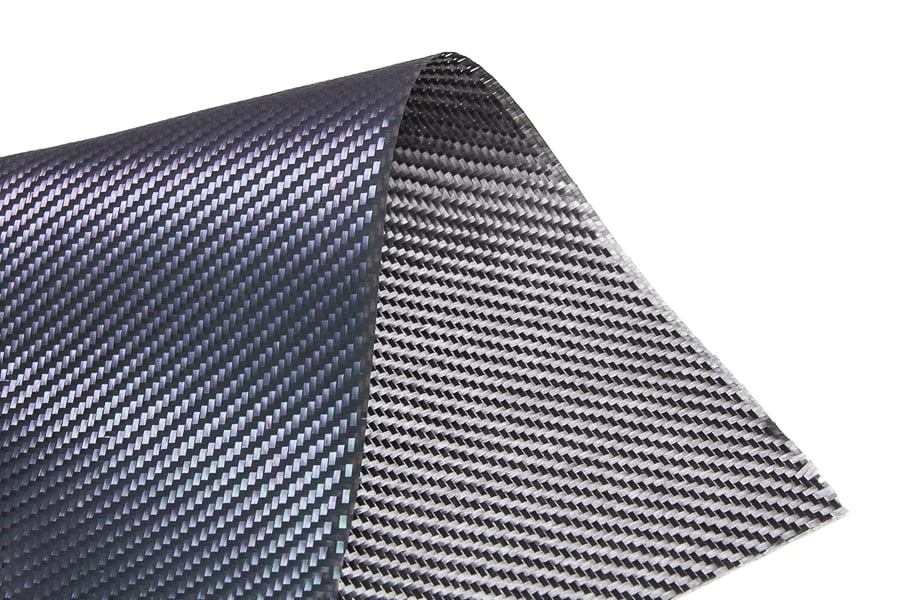
This cloth roll is engineered specifically for marine construction, delivering high-performance reinforcement for boat hulls, decks, and superstructures. Manufactured from marine-grade E-glass filaments with a proprietary sizing optimized for polyester, vinylester, and epoxy marine resins, the cloth provides exceptional mechanical properties in wet environments. Available in areal weights from 200 g/m² to 600 g/m² and thicknesses ranging 0.18 mm to 0.65 mm, the fabric offers tensile strength exceeding 320 MPa and flexural modulus of 26 GPa. The cloth's weave geometry ensures excellent drapeability over compound curves, reducing lay-up time and minimizing print-through. The fabric is UV-stabilized and exhibits resistance to saltwater degradation, maintaining structural integrity throughout the vessel's service life.

320 MPa Marine Tensile
200-600 g/m² Marine Weight
26 GPa Flexural Modulus

Marine Construction Advantages

  • Saltwater resistance: Specialized sizing prevents hydrolysis and maintains bond integrity in marine environments, ensuring long-term durability.
  • Superior drapeability: Optimized weave architecture conforms to complex hull shapes, compound curves, and tight radii without bridging or wrinkling.
  • Reduced print-through: Balanced weave construction minimizes fiber pattern telegraphing through gelcoats, providing a smooth, professional finish.
  • High impact resistance: Marine-grade formulation delivers excellent energy absorption, protecting against grounding and collision damage.
  • Low moisture absorption: Dense weave and optimized sizing limit water ingress, preventing osmotic blistering and core degradation.

Boat Building Specifications

Fiber Type Marine-grade E-glass
Weave Type Plain / Twill / Satin
Areal Weight 200 – 600 g/m²
Thickness 0.18 – 0.65 mm
Marine Tensile Strength ≥ 320 MPa
Flexural Modulus 26 GPa
Saltwater Resistance ≥ 5000 hours
Service Temperature –60°C to 550°C
Roll Widths 800 / 1000 / 1200 mm
Roll Lengths 20 / 40 / 80 m

Marine Application Areas

Hull construction Primary hull laminates, keel reinforcement, and chine structures for powerboats and sailboats.
Deck systems Deck laminates, nonskid surfaces, and cockpit sole reinforcement for marine durability.
Superstructure Cabin tops, helm stations, and flybridge structures requiring lightweight reinforcement.
Interior structures Bulkheads, stringers, and furniture reinforcement in marine interior spaces.
Repair & retrofit Structural repairs, blister repair, and reinforcement of existing hulls and decks.
Mast & rigging Mast reinforcement, spreader construction, and rigging component reinforcement.

Marine Laminate Fabrication Guide

1
Mold preparation Apply marine-grade wax or PVA release agent. Ensure mold temperature is 18–25°C for optimal resin viscosity and cure.
2
Gelcoat application Apply marine gelcoat at 0.4–0.6 mm thickness. Allow to tack-cure before proceeding with laminate lay-up.
3
Resin selection For marine applications, use vinylester or isophthalic polyester resins for superior moisture resistance. Epoxy systems provide maximum adhesion.
4
Lay-up sequence Start with lightweight cloth (200 g/m²) for surface layers, progressing to heavier cloths (400–600 g/m²) for structural buildup.
5
Consolidation Use a grooved roller to remove trapped air and ensure complete resin penetration. Apply vacuum bagging for high-performance laminates.
6
Cure & demold Allow room-temperature cure for 24–48 hours. Post-cure at 60°C for 4–8 hours to achieve maximum mechanical properties and moisture resistance.

Frequently Asked Questions

For marine applications, vinylester resins provide an excellent balance of mechanical properties, moisture resistance, and cost-effectiveness. Isophthalic polyester resins are suitable for less demanding applications. Epoxy resins offer the highest strength, adhesion, and resistance to osmotic blistering, making them ideal for high-performance vessels and repair work.

The cloth's dense weave architecture and marine-specific sizing significantly reduce water absorption through the laminate. When combined with vinylester or epoxy resins, the composite forms an effective barrier against osmotic blistering. The cloth's low porosity (less than 1% void content) eliminates pathways for water ingress.

For a typical 25–40 foot boat hull, a laminate schedule of 6–12 plies of 400–600 g/m² cloth is standard. The schedule should be designed based on the vessel's design category, power requirements, and operational conditions. For high-performance boats, additional reinforcement is added in high-stress areas such as chines, keel, and transom.

While the cloth can be applied in moist environments, best results are achieved when the substrate is dry. For repair applications in humid conditions, use vinylester resins with appropriate moisture-tolerant hardeners. Ensure the repair area is well-ventilated and temperatures are above 15°C for proper cure.

The cloth's twill or satin weave patterns provide excellent drapeability over compound curves and tight radii without requiring darts or cuts. For extreme curvatures, use the cloth on the bias (45° orientation) to maximize conformability. The cloth's flexibility allows it to follow the hull's contours without wrinkling or bridging.

Jiaxing Jiete
Perkiraan. 2010 · Haining, Zhejiang · Kain Fiberglass
Produsen Kain Fiberglass
Kejelasan, kekuatan,
dan pelapisan — ditenun.

Sejak tahun 2010 kami telah menenun dan melapisi kain fiberglass sesuai spesifikasi untuk pelanggan yang membutuhkan fisik dan hasil akhir agar tahan lama.

buramdilapisitenunan dasartembus cahaya
Transmisi cahaya di seluruh rangkaian kain & membran kami
Tentang pabrik
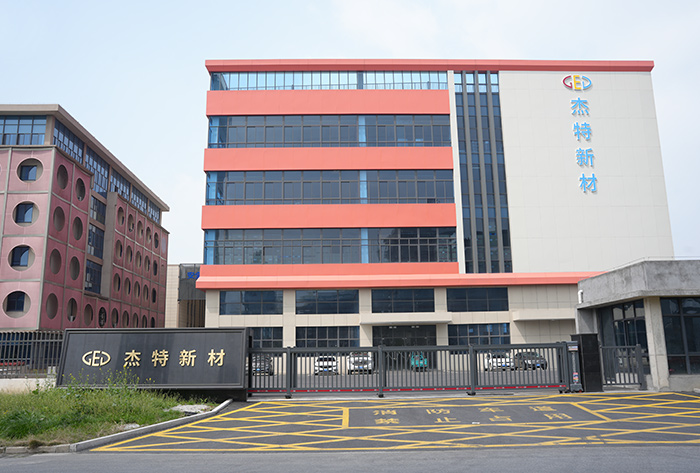
Taman Industri Zhijiang

Jiaxing Jiete Bahan Baru Co., Ltd. adalah produsen profesional kain fiberglass, didirikan pada tahun 2010 dan berbasis di Taman Industri Zhijiang, Kota Haining, Provinsi Zhejiang — terhubung dengan baik untuk pengiriman ke seluruh dunia.

We are China fiberglass cloth roll for boat building Manufacturers and Custom fiberglass cloth roll for boat building Suppliers. We weave fiberglass fabric and develop custom products to specification, running Karl Mayer warping-slashing lines, air-jet looms, Dornier rapier looms, and multiple coating lines under one roof.

Fasilitas tenun dan pelapisan fiberglass Jiete
Lantai pabrik
150.000 m²
luas lantai pabrik
200+
orang-orang di staf
200
potongan peralatan produksi
Portofolio produk
9 garis materi
Tenun standar dan berkekuatan tinggi, kain dasar tahan panas.
Tipe-E · tenunan dasar
Kekuatan tarik dan ketahanan benturan yang luar biasa.
Aramid · kekuatan tinggi
Jaring halus dan rata untuk penyaringan pertanian dan arsitektur.
Mesh · kelas penyaringan
Direkayasa untuk kondisi pengoperasian yang ekstrem atau non-standar.
Kustom · direkayasa
Transparansi tinggi, permukaan dapat dibersihkan sendiri, penggunaan tarik jangka panjang.
PTFE · tingkat tarik
Antilengket, tahan bahan kimia pada rentang termal yang luas.
-70°C to +260°C
Fleksibel, tahan air, dengan insulasi suhu tinggi yang kuat.
Silikon · fleksibel
Tahan lama, tahan api, dan tahan cuaca untuk penggunaan di luar ruangan.
PVC · tahan api
PU, akrilik, dan pelapis khusus lainnya tersedia berdasarkan permintaan.
PU / akrilik · custom
Dibuat berdasarkan gambar Anda, bukan katalog kami

Kirimkan kepada kami persyaratan di luar kisaran standar dan tim R&D kami akan merancang tenunan, penyelesaian akhir, dan pelapisan di sekitarnya — mulai dari sampel pertama hingga volume produksi.

Sejak tahun 2010, berdasarkan pengelolaan yang hati-hati dan investasi kembali yang stabil, Jiete telah membangun posisi dalam perdagangan kain fiberglass global dan kemitraan jangka panjang di bidangnya. Kami menyambut baik kesempatan untuk menjamu Anda di pabrik.

Direkomendasikan TAUTAN